
posture-related

7 Powerful Ways to Fix Posture-Related Pain and Reclaim a Pain-Free Body

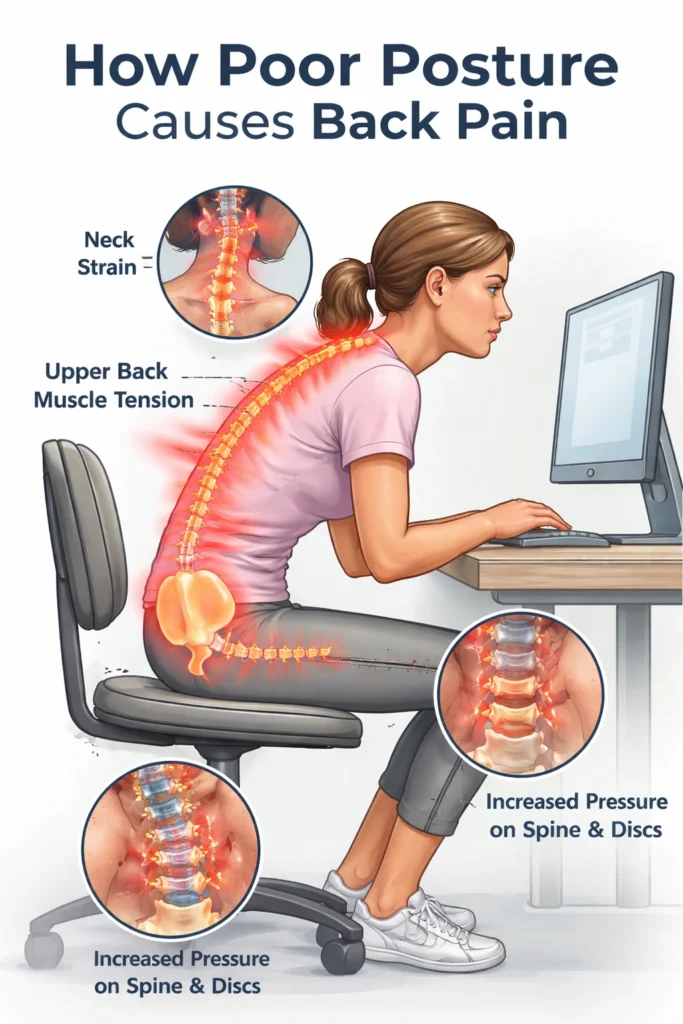
Bad posture is sneaky. It builds quietly through long workdays, scrolling sessions, driving, and stress—until one day you’re dealing with shoulder pain, neck stiffness, upper back pain, or even chest and abdominal discomfort. If you’ve ever wondered, “Can bad posture cause chest pain?” or “Can poor posture cause abdominal pain?”—you’re not imagining it.

The good news? Posture-related pain is one of the most fixable physical problems when approached the right way.

This solution-focused guide breaks down:

  • How poor posture leads to pain in the back, neck, shoulders, chest, and abdomen

  • Practical, realistic tips to improve posture and prevent pain

  • Helpful products and tools that support better posture daily

No medical jargon. No fear-mongering. Just real solutions that work.

Pillar 1: How Poor Posture Leads to Pain in the Back, Neck, and Shoulders

Shoulder Pain and Posture: Why Your Shoulders Are Screaming
posture-related

If you spend hours with rounded shoulders—typing, texting, or hunching forward—your muscles are constantly pulled out of balance. This is why posture and shoulder pain often go hand in hand.

Poor posture causes:

  • Tight chest muscles pulling shoulders forward

  • Weak upper-back muscles failing to stabilize the shoulder blades

  • Overworked neck and shoulder muscles are compensating for poor alignment

This explains why many people ask, “Can bad posture cause shoulder pain?” The answer is a clear yes. Over time, this imbalance leads to stiffness, burning sensations, and even nerve irritation.

Neck Pain: The Weight You Didn’t Know You Were Carrying
posture-related

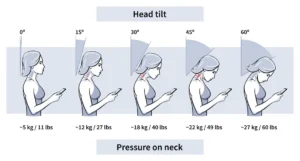
Your head weighs roughly 10–12 pounds. When your head drifts forward—even slightly—it can feel like 40–60 pounds to your neck muscles. This condition, often called “text neck,” is one of the most common posture-related pain issues today.

Poor posture forces the neck muscles to stay tense all day, leading to:

  • Chronic stiffness

  • Headaches

  • Reduced mobility

  • Radiating shoulder pain

This is a classic example of bad posture pain that builds gradually but feels intense once it sets in.

Upper and Lower Back Pain: The Structural Breakdown
posture-related

When posture collapses, the spine loses its natural curves. Slouching compresses spinal discs, overstretches ligaments, and forces muscles to work overtime.

This is why people frequently ask, “How can poor posture result in back pain?”

It leads to:

  • Muscle fatigue from constant strain

  • Disc compression and reduced spinal support

  • Poor circulation to the spinal tissues

Whether it’s upper back pain, posture issues or lower back tension, posture is often the hidden cause.

Pillar 2: Chest, Rib, and Abdominal Pain—The Most Confusing Symptoms of Poor Posture

Chest Pain from Poor Posture: When Alignment Affects Breathing

One of the most alarming questions people ask is:
“Does bad posture cause chest pain?”

Yes—and it’s more common than you think.

Slouching compresses the rib cage and tightens chest muscles, which can cause:

  • Sharp or dull chest pain

  • Tightness when breathing deeply

  • Pressure near the sternum

This explains searches like “can poor posture cause chest pain”, “bad posture chest pain”, and “how to relieve chest pain from bad posture.”

While chest pain should always be medically evaluated first, posture-related chest pain is typically muscular and improves with movement and correction.

Rib Pain and Posture: The Side Effect Nobody Talks About


Your ribs attach directly to your spine. When posture collapses, rib alignment suffers.

This is why people experience:

  • Side rib pain when sitting too long

  • Pain when twisting or breathing deeply

  • Tenderness along the rib cage

Questions like “can bad posture cause rib pain?” and “poor posture rib pain” come up frequently because rib discomfort often feels mysterious—until posture is addressed.

Abdominal and Stomach Pain: The Posture–Core Connection


Surprisingly, poor posture doesn’t just affect your back—it impacts your core and digestive organs.

Slouching compresses the abdomen, leading to:

  • Weakened core muscles

  • Increased pressure on the digestive organs

  • Referred abdominal discomfort

That’s why people search “can poor posture cause abdominal pain?” or “can bad posture cause stomach pain?”

Good posture allows your core to activate naturally, reducing strain and supporting digestion.

Pillar 3: Tips for Improving Posture and Preventing Pain

1. Fix Your Sitting Setup First

Most posture pain starts where you sit.

Quick fixes:

  • Feet flat on the floor

  • Screen at eye level

  • Hips slightly higher than knees

  • Back supported—not slouched

Even perfect posture for 12 hours straight won’t help. Movement matters more than perfection.

2. Move Every 30–45 Minutes

Staying in one position—good or bad—is the enemy.

Set reminders to:

  • Stand up

  • Stretch your chest and hips

  • Roll your shoulders

  • Walk for 1–2 minutes

This alone can reduce upper back pain and posture issues dramatically.

3. Strengthen What Posture Weakens

Posture improves when muscles support it naturally.

Focus on:

  • Upper-back strengthening

  • Core stability

  • Hip mobility

Simple bodyweight exercises consistently beat complicated routines done rarely.

4. Yoga Postures for Shoulder Pain and Spine Health

Yoga is one of the most effective tools for posture correction.

Helpful poses include:

  • Cat–Cow

  • Child’s Pose

  • Cobra Pose

  • Thread the Needle

These poses improve flexibility, reduce muscle tension, and restore spinal balance.

Pillar 4: Products and Tools to Support Better Posture

Posture Correctors: Helpful, Not Magical

Posture braces can help remind your body to stay upright—but they shouldn’t replace muscle strength.

Best used:

  • For short periods

  • During desk work

  • As a training aid, not a crutch

Ergonomic Chairs and Lumbar Support

A good chair supports your spine’s natural curve and reduces back fatigue.

Look for:

  • Adjustable lumbar support

  • Seat depth control

  • Breathable material

Even a small lumbar cushion can relieve bad posture pain significantly.

Standing Desks and Monitor Risers

Alternating between sitting and standing reduces pressure on your spine and ribs.

Key tip:
Standing desks only help if your screen and keyboard are positioned correctly.

Foam Rollers and Mobility Tools

Foam rolling the upper back and chest can:

  • Reduce stiffness

  • Improve rib mobility

  • Make posture correction easier

Just 5 minutes a day makes a difference.

Final Thoughts: Posture Is a Daily Practice, Not a Perfect Position

If you’ve been dealing with shoulder pain, back stiffness, chest discomfort, rib pain, or even abdominal tension, posture may be the missing link tying it all together.

The real solution isn’t sitting “perfectly” all day—it’s:

  • Moving often

  • Strengthening smart

  • Using supportive tools wisely

  • Becoming aware without obsessing

Your body wants to feel good. Give it the alignment, movement, and support it needs—and the pain often fades faster than you expect.

Click here to read similar articles.

Comments

No comments yet. Why don’t you start the discussion?

Leave a Reply

Your email address will not be published. Required fields are marked *