
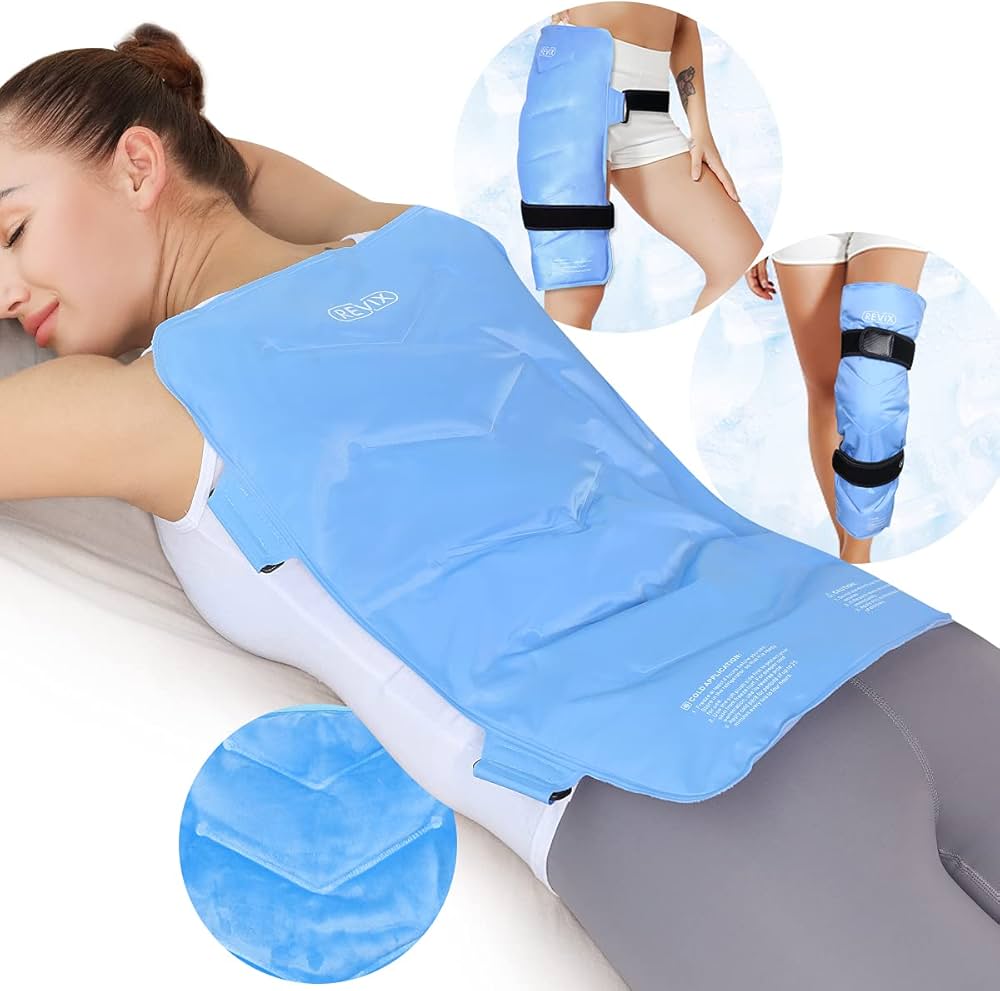

Pain has a habit of popping up at the worst times, including after a long day at work, during workouts, or immediately before your period starts. You’re not the only one who has stood in front of their freezer with an ice pack and a heating pad at the same time. There is a legitimate controversy about whether heat or cold therapy works better. The truth is that both work, but in different settings.
Let’s make it easy to understand when to use heat, when to use cold, and which goods really work.
Understanding Heat vs Cold Therapy
Think of pain as your body sending signals.
- Heat therapy relaxes, loosens, and improves blood flow
- Cold therapy numbs, calms inflammation, and reduces swelling
Choosing between heat vs ice therapy isn’t about preference—it’s about timing and the type of pain you’re dealing with.
When Heat Therapy Works Best
Heat is your go-to for tight, stiff, or chronic pain. It increases circulation, relaxes muscles, and helps tissues stretch more easily.
Use heat therapy if you have:
- Chronic back pain (great for heating therapy for back pain)
- Neck stiffness (neck pain heat therapy)
- Muscle tightness after stress or long sitting
- Menstrual cramps (heating pad for menstrual cramps, period heating pad)
- Arthritis flare-ups (arthritis and heat therapy)
Advantages of heat therapy
- Relaxes muscles
- Improves flexibility
- Reduces stiffness
- Feels comforting and calming
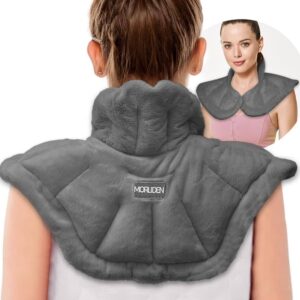
Why People Often Choose the Wrong Pain Treatment
A lot of individuals think that Heat vs. Cold Therapy doesn’t work because they utilize it at the wrong time. Pain isn’t the same for everyone, so whether you should use heat or cold therapy depends on what your body is going through.
Things people often get wrong:
- Using heat therapy on new injuries, which can make swelling worse
- Putting ice packs on muscles that are stiff for a long time makes them tighter.
- Treating all pain the same, no matter how long it lasts or what caused it
When it actually matters what kind of therapy you choose:
- Acute pain or damage (sprains, swelling, bruising): heat vs cold therapy: cold is better
- Chronic discomfort (such tight muscles and pain from bad posture): Heat therapy is better than cold therapy.
- Arthritis and tight joints: Heat therapy and arthritis frequently work better together.
- Menstrual cramps: A heating pad for menstrual cramps relaxes the musclesTiming is really important. Athletes commonly utilize ice therapy shortly after working out to reduce inflammation and then transition to heat therapy later to rest their muscles. This small change can make heat and cold therapy work much better and stop pain from lasting too long.
How Heat and Cold Affect Your Body (Simplified) At a deeper level, Heat vs Cold Therapy works by influencing blood flow, nerves, and muscle tension. Knowing what each does helps you choose correctly every time.
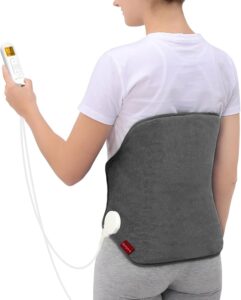
What heat therapy does: Increases blood circulation
- Relaxes tight muscles
- Reduces joint stiffness
- Improves flexibility before movement or stretching
This is why heat works well for:
- Heating therapy for back pain
- Neck pain heat therapy
- Heating pad for cramps and periods
- Moist heat therapy for deeper relief
- Physical therapy heating pad use before rehab exercises
What cold therapy does:
- Narrows blood vessels to reduce swelling
- Numbs pain signals
- Calms inflammation
- Helps with sharp or sudden pain
Cold therapy is ideal for:
- Ice pack for sore back or muscle soreness
- Ice packs for sciatica pain
- Shoulder ice pack after strain
- Ice packs for knee and ankle injuries
- Instant ice packs for quick relief
When used correctly—or even combined through heat ice alternating therapy—both methods play an important role in recovery. Understanding how your body responds allows cold warm therapy to feel intentional rather than experimental.
Heat Therapy Products You Can Actually Use
🔥 Heating Pads
One of the most versatile tools in hot cold therapy routines.
They’re commonly used for:
- Heating pad for cramps
- Heating pad for belly ache
- Neck and shoulder heating pad
- Physical therapy heating pad
- Full body heating pad
Modern options include moist heat therapy, which penetrates deeper than dry heat.
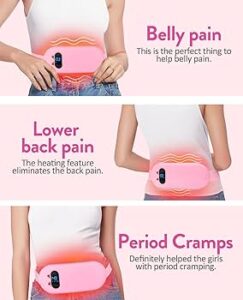
You’ll also find:
- Heat therapy patches (great for on-the-go relief)
- Heat padded wraps for lower back and shoulders
- Heated pads for periods designed specifically for menstrual pain
When Cold Therapy Is the Better Choice
Cold therapy works best for new injuries, swelling, or inflammation. It slows blood flow, which helps control pain and swelling.
Use cold therapy if you have:
- Sports injuries
- Swelling or bruising
- Sciatica pain (ice packs for sciatica pain)
- Knee or ankle injuries (ice packs for knee, ankle ice pack)
- Muscle soreness after workouts
This is where ice therapy vs heat therapy becomes very clear—ice first, heat later.
Cold Therapy Products That Work
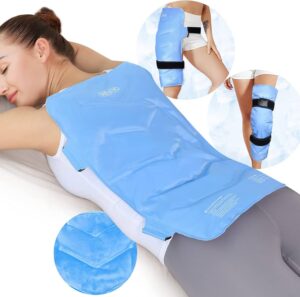
❄️ Ice Packs
A classic for a reason.
Options include:
- Reusable ice packs
- Gel pack ice pack
- Instant ice packs (great for travel)
- Cold pack ice packs for injuries
Specialized designs are available for:
- Ice pack for shoulder
- Ice pack for back
- Foot ice pack
- Face ice pack / ice pack facial
- Ice pack for muscle soreness
You can even make a homemade ice pack using ice cubes and a towel if you’re in a pinch.
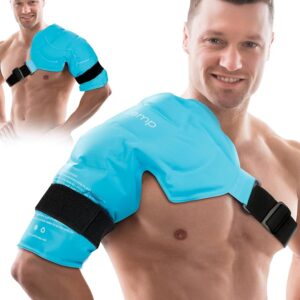
What do you think of gel wraps? Gel Wraps (Hot & Cold) are the best of both worlds.
Gel wraps are quite helpful since they may be used for both cold and warm therapy and for alternating between heat and ice.
They might be:
- Heated to loosen tense muscles
- Frozen to reduce pain and swelling
- Around the knees, shoulders, or lower back
They are quite useful for switching between heat and ice therapy, which is widely used in rehab and physical therapy settings.
Alternating Heat vs Cold Therapy: When Should You Do It?
Heat ice alternating therapy is useful when:
- Pain includes both stiffness and swelling
- You’re recovering from an injury
- Physical therapists recommend it for circulation
A common approach:
- Cold therapy (10–15 minutes)
- Short break
- Heat therapy (10–15 minutes)
This method is widely used in hot cold therapy routines and works well for joint and muscle recovery.
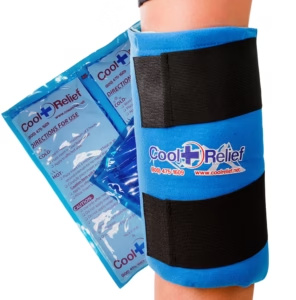
Quick Guide: Heat vs Cold Therapy
| Pain Type | Best Choice |
|---|---|
| Swelling or inflammation | Ice therapy |
| Muscle tightness | Heat therapy |
| Back stiffness | Heat |
| Acute injury | Ice |
| Menstrual cramps | Heat |
| Arthritis | Heat |
| Sports soreness | Ice |
Final thoughts, which is better: heat vs cold therapy?
The ultimate answer to the question of heat vs. cold therapy is not one or the other, but when to utilize either.
- Use heat treatment to relax, loosen, and calm down.
- Use cold therapy to soothe, numb, and bring down swelling.
- When you need to be flexible, use gel wraps.
- When pain has more than one layer, try switching between heat and ice therapy.
Once you know what kind of pain you have, it will be easy to choose between heat vs cold therapy. Your body will thank you for it.
want to read more articles? Click here

Pingback: The Chain Reaction: 6 Ways One Small Posture Problems Becomes Full-Body Pain - alignedliving.blog