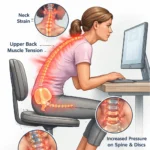


Living with headaches and migraines can feel exhausting, disruptive, and unpredictable. Whether the pain shows up as a dull pressure behind the eyes, tightness in the neck and jaw, or a throbbing sensation that ruins your entire day, the real challenge is not understanding what they are but learning how to manage them effectively.
This guide focuses on solutions over explanations. Instead of repeating textbook definitions, we will explore natural remedies, prevention techniques, hydration strategies, nutrition adjustments, sleep improvements, posture fixes, and stress management tools that help reduce both frequency and intensity. The goal is long-term relief, not short-term coping.
Natural Remedies That Actually Help Relieve Headache Pain
When headaches and migraines strike, many people immediately turn to painkillers. While medication has its place, frequent use can cause rebound headaches and dependency. Natural approaches often provide relief without side effects.
Cold and Heat Therapy
-
Cold packs work well for migraines, especially when pain is throbbing or accompanied by nausea
-
Warm compresses help tension headaches caused by tight neck and shoulder muscles
-
Apply for 15–20 minutes and repeat as needed
Herbal and Natural Options
-
Migraine tea made from ginger, chamomile, peppermint, or feverfew can reduce inflammation and calm the nervous system
-
Magnesium-rich foods or supplements often help people with frequent headaches and migraines
-
Riboflavin (Vitamin B2) has shown benefits in reducing migraine frequency when taken consistently
Essential Oils
-
Peppermint oil applied to the temples may reduce tension headache pain
-
Lavender oil helps calm stress-induced headaches and improve sleep quality

Preventing Tension Headaches Before They Start
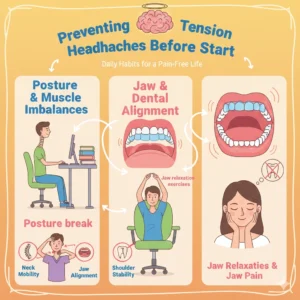
Tension headaches are among the most preventable forms of headaches and migraines, especially when daily habits are adjusted.
Fix Posture and Muscle Imbalances
Poor posture strains the neck and upper back, leading to a sore neck and back of neck, and headache. Long hours on screens worsen this.
Helpful strategies include:
-
Adjusting screen height to eye level
-
Using ergonomic chairs
-
Taking posture breaks every 30–45 minutes
Physical therapy for headaches can be highly effective for people with recurring tension pain. Therapists focus on:
-
Neck mobility
-
Shoulder stability
-
Jaw alignment
-
Trigger point release
Jaw and Dental Alignment
Many people are surprised to learn how often jaw tension contributes to pain.
Issues such as:
-
Headaches and jaw pain
-
Migraine, jaw pain, neck pain
-
Teeth grinding or clenching
These may cause a headache related to a toothache or facial tension. Wearing a night guard or practicing jaw relaxation exercises can significantly reduce symptoms.
Hydration: A Foundational Solution Most People Ignore
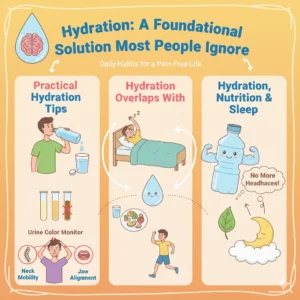
A headache from dehydration is one of the most common and preventable causes of pain. Even mild dehydration can reduce blood flow to the brain and trigger headaches and migraines.
Practical Hydration Tips
-
Drink water consistently, not all at once
-
Add electrolytes if you sweat heavily or drink caffeine
-
Monitor urine color as a hydration indicator
Dehydration often overlaps with:
-
Insufficient sleep headache
-
Headache after eating
-
Fatigue-related migraines
Hydration works best when combined with proper nutrition and sleep routines.
Nutrition Strategies That Reduce Headaches and Migraines
Food can heal or trigger. The key is awareness and consistency.
Common Dietary Triggers
Some people experience headaches after eating due to:
-
Blood sugar spikes or crashes
-
Food sensitivities
-
Additives or preservatives
Triggers may include:
-
Processed meats
-
Artificial sweeteners
-
Excess caffeine
-
Alcohol
Stabilizing Blood Sugar
To reduce headaches and migraines:
-
Eat balanced meals with protein, fiber, and healthy fats
-
Avoid skipping meals
-
Reduce refined sugar intake
Low blood sugar is often linked to blurry vision, fatigue, and headache.

Sleep: The Hidden Driver of Chronic Head Pain
Sleep problems are strongly linked to headaches and migraines.
Sleep Deprivation and Pain
Research shows that sleep deprivation causes headaches, which is not a question but a certainty for many people. Poor sleep increases inflammation and reduces pain tolerance.
Improve Sleep Quality
-
Maintain consistent sleep and wake times
-
Reduce screen exposure before bed
-
Use relaxation techniques such as breathing or meditation
Choosing the Right Pillow
A poor pillow can worsen neck alignment and cause morning headaches.
A migraine pillow or migraine headache pillow should:
-
Support the cervical spine
-
Keep the head neutral
-
Reduce neck strain
Many people notice improvement when switching to ergonomic pillows, especially those experiencing migraines and pillow-related discomfort.
Stress Management: Reducing Triggers at the Source
Stress is not just emotional; it’s physical and neurological. Chronic stress tightens muscles, disrupts sleep, and alters hormone levels.
Effective Stress-Reduction Techniques
-
Daily breathing exercises
-
Progressive muscle relaxation
-
Short walks outdoors
-
Journaling to release mental tension
Stress reduction plays a direct role in preventing headaches and migraines, especially those linked to work pressure or emotional overload.