

Poor back posture is one of the most common yet overlooked causes of modern back pain. Whether you sit at a desk all day, look down at your phone, or sleep in an awkward position, your spine quietly absorbs the stress. Over time, this leads to postural imbalance, discomfort, and even chronic pain. The good news? With the right back posture exercises, you can restore proper spinal alignment, reduce pain, and feel better—often faster than you expect.
This in-depth guide covers science-backed back posture exercises, explains how posture tools like braces and mattresses fit in, and answers common questions, such as whether poor posture can cause back pain. By the end, you’ll have a clear, practical roadmap to naturally and safely improve alignment.
What Is Proper Spinal Alignment and Why It Matters
Proper spinal alignment means your head, shoulders, and hips stack naturally over one another, allowing the spine’s curves to work as shock absorbers. When alignment is off, muscles overwork, joints compress, and nerves become irritated.
Poor posture back pain often shows up as:
-
Upper back pain from rounded shoulders
-
Lower back pain from excessive arching
-
Neck stiffness and headaches
Research and clinical experience consistently show that back posture pain isn’t just discomfort—it can limit mobility, affect breathing, and reduce overall quality of life. Understanding alignment is the first step toward correcting it.
Can Bad Posture Cause Back Pain? The Science Explained
A common question is: Does bad posture cause back pain? The short answer is yes.
When posture is poor:
-
Muscles fall out of balance
-
Some muscles become tight, others weak
-
The spine bears uneven loads
This leads to back pain from poor posture, including upper back pain, posture issues, and poor posture lower back pain. Over time, the body adapts to these faulty patterns, making pain more persistent.
In short, can poor posture cause back pain? Absolutely—and correcting posture is a proven way to reduce it.
Back Posture Exercises And The Instant Improvement In Alignment
Spinal alignment exercises work to re-educate the muscles and nervous system (as opposed to passive tools). Other Individuals Experience Immediate Results So can the other person using it.
- Tight muscles release
- Weak stabilizers activate
- The body “remembers” correct positioning
That’s not to say that pain rockets off into nothingness in one session, but certain exercises can immediately align your spine in a healthier direction — which is the first step to a permanent correction.
10 Back Posture Exercises That Instantly Improve Alignment
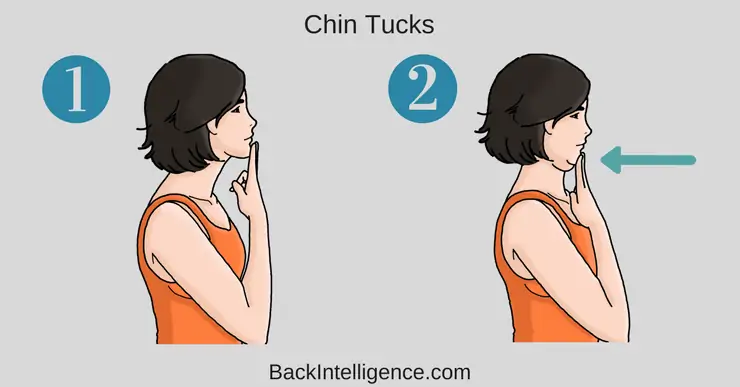
1. Chin Tucks
Strengthens deep neck muscles and reduces forward head posture—key for upper back pain from poor posture.
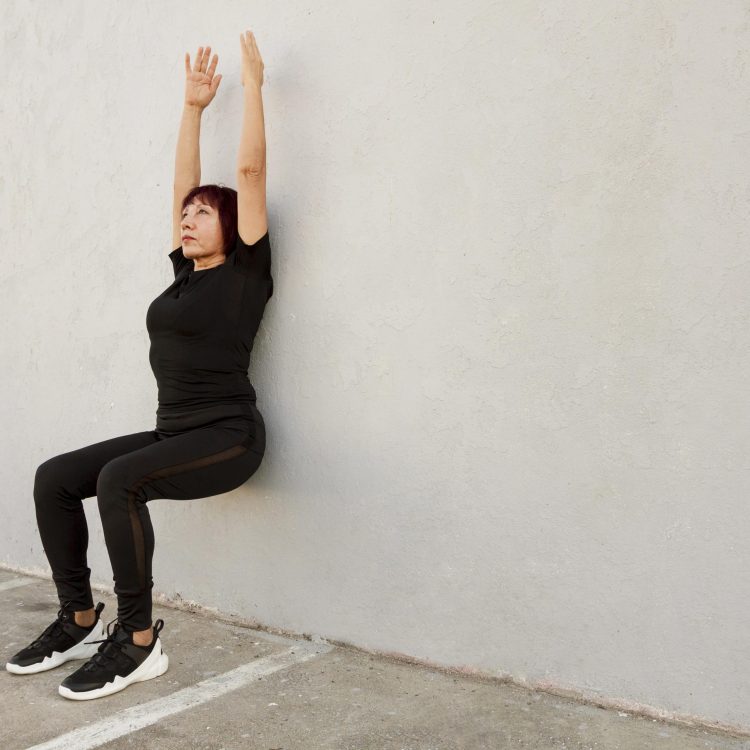
2. Wall Angels
Improves shoulder mobility and upper-back alignment, helping with the posture corrector for upper back pain goals.
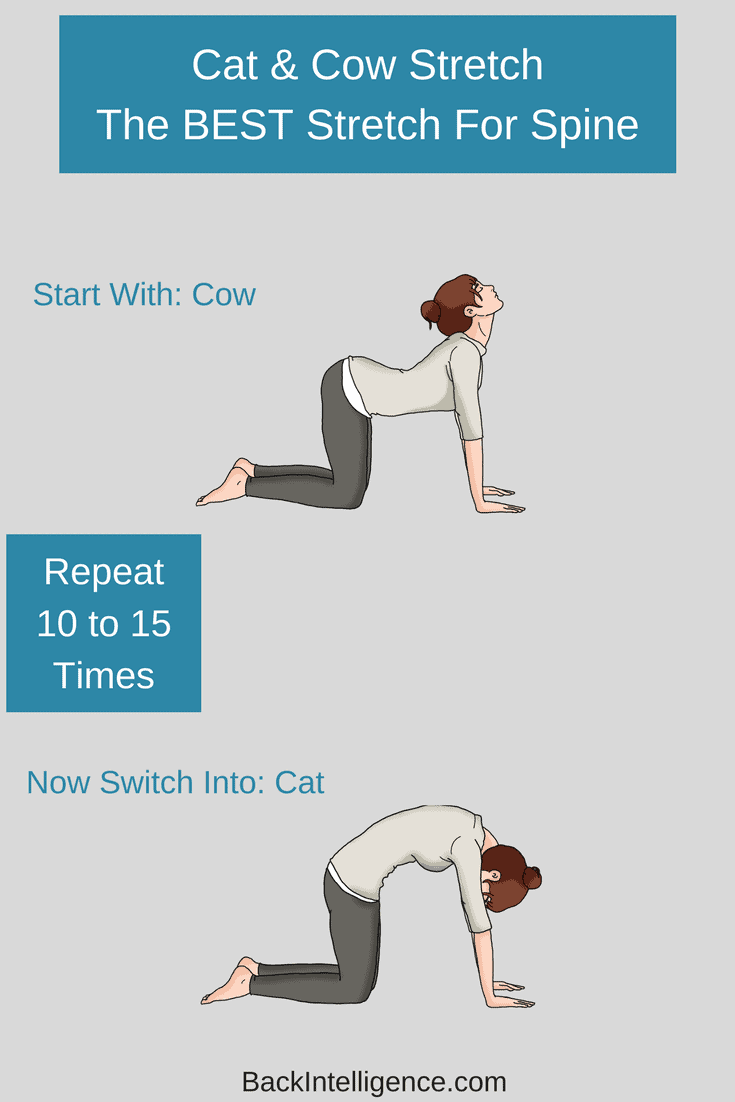
3. Cat–Cow Stretch
A gentle spinal mobility exercise that supports back alignment exercises and reduces stiffness.
4. Seated Rows
Strengthens the mid-back, counteracting rounded shoulders common in desk workers.

5. Doorway Chest Stretch
Releases tight chest muscles that pull the shoulders forward and contribute to bad posture back pain location in the upper spine.
6. Plank Hold
Builds core stability, essential for preventing back pain because of posture.
7. Superman Hold
Targets the lower back and glutes, supporting can bad posture cause lower back pain prevention.
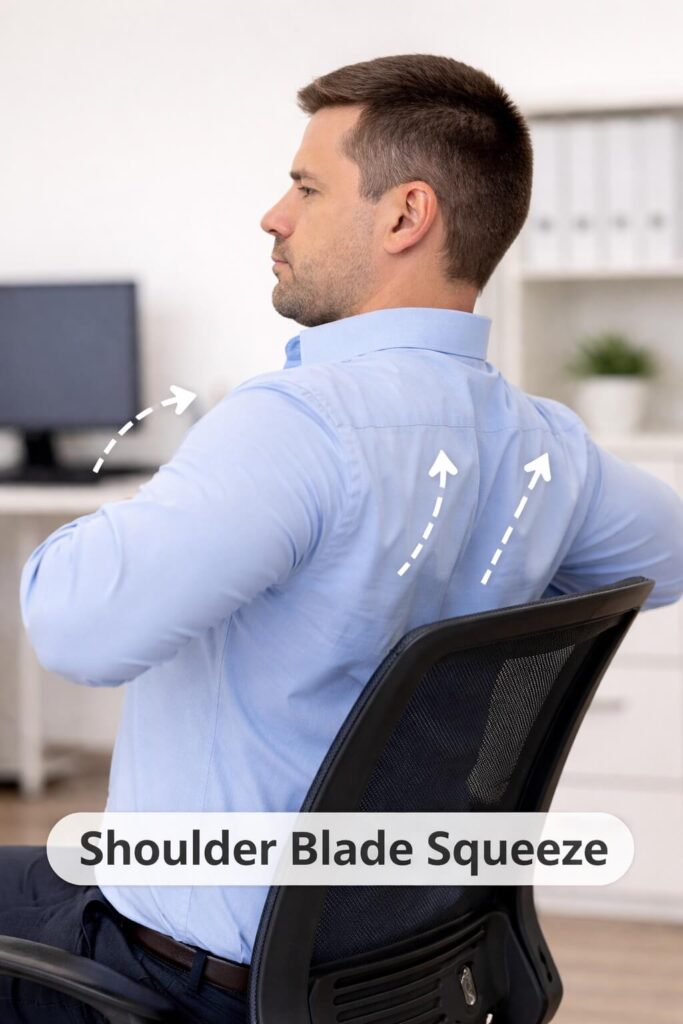
8. Shoulder Blade Squeezes
Improves postural awareness and reduces slouching throughout the day.
9. Hip Flexor Stretch
Critical for sway back posture correction exercises, especially if you sit often.
10. Standing Back Extensions
Counteracts prolonged sitting and helps reset spinal alignment.
Yoga and Stretching for Spinal Alignment
Many people prefer gentler methods like spinal alignment yoga. Yoga improves posture by combining flexibility, strength, and breath awareness.
Effective yoga postures for back pain include:
-
Mountain Pose (alignment awareness)
-
Cobra Pose (spinal extension)
-
Child’s Pose (spinal decompression)
For targeted relief, yoga postures for lower back pain help reduce tension and restore natural curves.
Postural Imbalance: Causes and Treatment Options
Postural imbalance occurs when muscles on one side of the body overpower others. Common causes include:
-
Prolonged sitting
-
Uneven carrying habits
-
Old injuries
Postural imbalance treatment focuses on:
-
Corrective exercises
-
Stretching tight muscles
-
Strengthening weak areas
Exercises work best when paired with daily awareness and ergonomic adjustments.
Do Posture Braces and Tools Really Work?
Many people turn to external aids like a spinal alignment tool or brace. These can help—but only when used correctly.
Common options include:
-
Posture correcting bra (for upper-back support)
-
Posture corrective back brace
-
Back brace for correcting bad posture
-
Best back brace for posture correction (varies by need)
A back brace to correct posture or back support to correct posture works best as a reminder, not a crutch. Overreliance can weaken muscles if exercises aren’t included.
Some people with pain prefer a back brace for pain and posture or a back brace for posture and lower back pain, especially during flare-ups.
Sleeping Posture, Mattresses, and Alignment
Your posture doesn’t stop when you sleep. Poor sleep positions can worsen pain.
Tips for sleeping posture to relieve back pain:
-
Sleep on your back with a pillow under your knees
-
Side sleepers: pillow between knees
-
Avoid stomach sleeping
A supportive spinal alignment mattress helps keep the spine neutral overnight, reducing back pain posture corrector dependence during the day.
Why Correcting Posture Sometimes Hurts
Many people worry: correcting posture hurts back—why?
Temporary discomfort is normal because:
-
Muscles unused to working are activating
-
Tight tissues are stretching
However, sharp or worsening pain is not normal. In those cases, scale back and consult a professional.
Frequently Asked Questions (FAQs)
Can bad posture cause back pain?
Yes. Both upper back pain posture problems and lower back pain are strongly linked to poor posture.
Does poor posture cause back pain long-term?
Yes. Over time, poor alignment leads to chronic bad posture, back pain, and reduced mobility.
Can posture cause back pain even if I exercise?
Yes, if exercises don’t address alignment. That’s why back alignment exercises are essential.
Is a corset for back pain and posture effective?
A corset can provide short-term support, but it should not replace exercise.
Can bad posture cause lower back pain specifically?
Yes. Excessive arching or slouching often leads to poor posture and lower back pain.
How can poor posture result in back pain?
It creates muscle imbalances, joint stress, and nerve irritation, leading to pain.
Final Thoughts: Building Better Posture for Life
Posture isn’t about forcing yourself to “sit up straight.” It’s about balance, movement, and consistency. By combining spinal alignment exercises, occasional tools like braces, supportive sleep habits, and awareness, you can reduce pain and restore natural alignment.
If you stay consistent, your body will adapt—and better posture will start to feel natural, not forced.
Want to read a similar article? Click here
OR
Want to read more articles about Posture & Alignment or Pain Relief & Recovery